
1. Gregory, G. A., Kitterman, J. A., Phibbs, R. H., Tooley, W. H., & Hamilton, W. K. Treatment of the idiopathic respiratory-distress syndrome with continuous positive airway pressure. N. Engl. J. Med. 284, 1333–1340 (1971).
2. Avery, M. E. et al. Is chronic lung disease in low-birth-weight infants preventable? A survey of eight centers. Pediatrics 79, 26–30 (1987).
3. Wung, J. T., Driscoll, J. M., Epstein, R. A., & Hyman, A. I. A new device for CPAP by nasal route. Crit. Care Med. 3, 76–78 (1975).
4. De Paoli, A. G. Nasal CPAP for neonates: what do we know in 2003? Arch. Dis. Child. – Fetal Neonatal Ed. 88, 168F–172 (2003).
5. Morley, C. & Davis, P. Continuous positive airway pressure: current controversies. Curr. Opin. Pediatr. 16, 141–145 (2004).
6. Sweet, D. G. et al. European consensus guidelines on the management of respiratory distress syndrome – 2019 update. Neonatology 115, 432–450 (2019).
7. Gupta, S. & Donn, S. M. Seminars in Fetal and Neonatal Medicine Continuous positive airway pressure: Physiology and comparison of devices. Semin. Fetal Neonatal Med. 21, 204–211 (2016).
8. Courtney, S. E. & Barrington, K. J. Continuous positive airway pressure and noninvasive ventilation. Clin. Perinatol. 34, 73–92, vi (2007).
9. Alessi, S. Evidence Regarding the Use of Bubble Continuous Positive Airway Pressure in the Extremely Low Birth-Weight Infant: Benefits, Challenges, and Implications for Nursing Practice. Adv. Neonatal Care 18, 199–207 (2018).
10. Martin, S., Duke, T., & Davis, P. Efficacy and safety of bubble CPAP in neonatal care in low- and middle-income countries: a systematic review. Arch. Dis. Child. Fetal Neonatal Ed. 99, F495-504 (2014).
11. Magnenant, E. et al. Dynamic behavior of respiratory system during nasal continuous positive airway pressure in spontaneously breathing premature newborn infants. Pediatr. Pulmonol. 37, 485–491 (2004).
12. Bhutani, V. K. Development of the Respiratory System. In Manual of Neonatal Respiratory Care 3–15 (Springer US, 2012). doi:10.1007/978-1-4614-2155-9_1
13. Diblasi, R. M. Nasal continuous positive airway pressure (CPAP) for the respiratory care of the newborn infant. Respir. Care 54, 1209–1235 (2009).
14. Higgins, R. D., Richter, S. E., & Davis, J. M. Nasal continuous positive airway pressure facilitates extubation of very low-birth-weight neonates. Pediatrics 88, 999–1003 (1991).
15. Finer, N. N. et al. Early CPAP versus surfactant in extremely preterm infants. N. Engl. J. Med. 362, 1970–1979 (2010).
16. Tooley, J. & Dyke, M. Randomized study of nasal continuous positive airway pressure in the preterm infant with respiratory distress syndrome. Acta Paediatr. 92, 1170–1174 (2003).
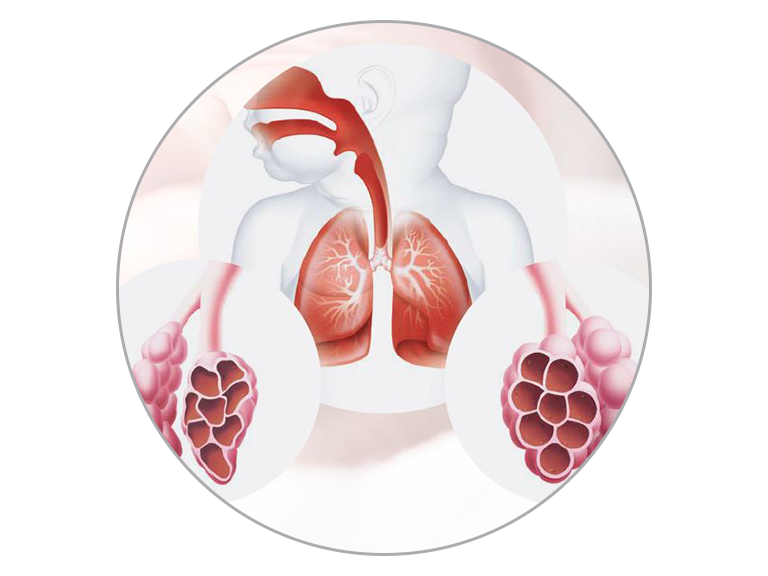
Maintains functional residual capacity (FRC)
CPAP can enhance lung volume recruitment and establish and maintain FRC,11,12 helping to keep the lungs open.
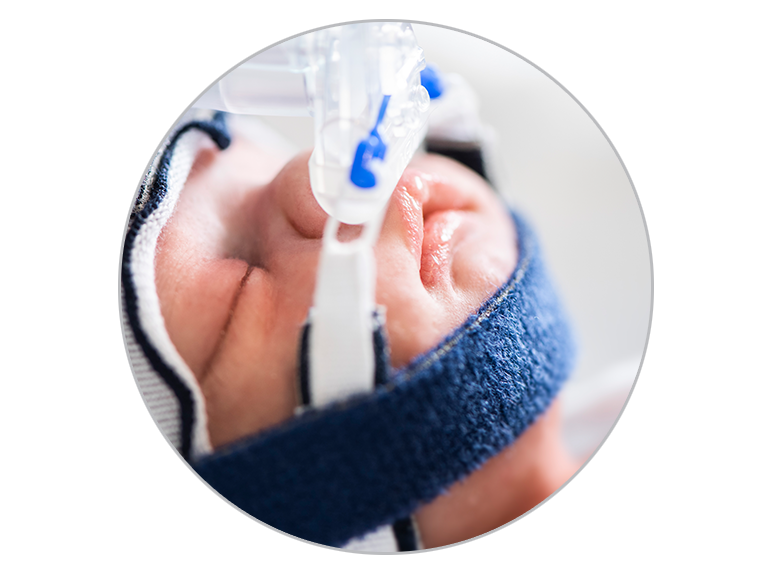
Reduces the work of breathing
CPAP has been shown to elevate end-expiratory lung volume, which helps to unload the inspiratory muscles and reduce the energy required to expand the lungs for breathing.11,13,14
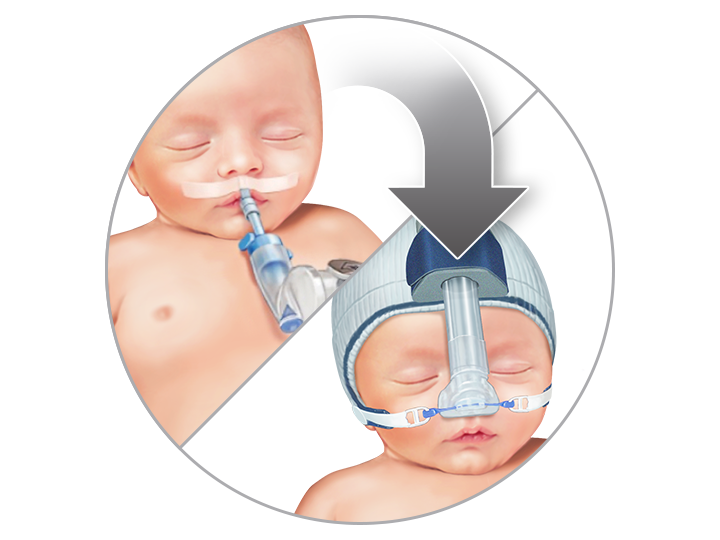
Decreases the need for mechanical ventilation
The use of CPAP alone, or CPAP in combination with surfactant when used as primary respiratory support has been associated with a reduced need for intubation and invasive ventilation.15,16
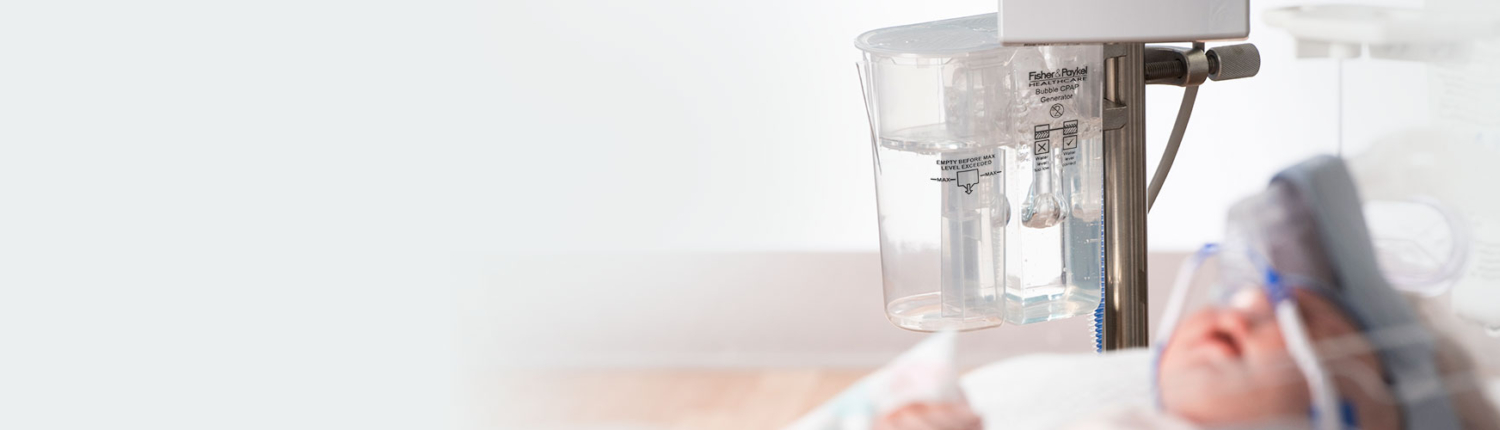
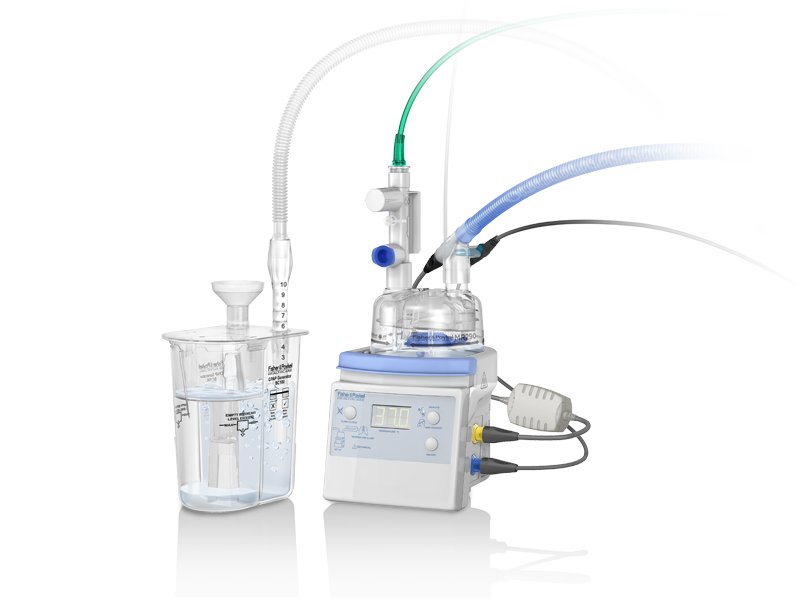
The Fisher & Paykel Healthcare Bubble CPAP generator is designed to provide consistent pressure through an auto-leveling feature. This design moves excess liquid into a separate chamber from the main pressure-generating section, automatically ensuring that the set pressure does not change with liquid build-up.
The bubble generator includes an overflow container that can be detached to remove excess water from the system, without disrupting delivery therapy.
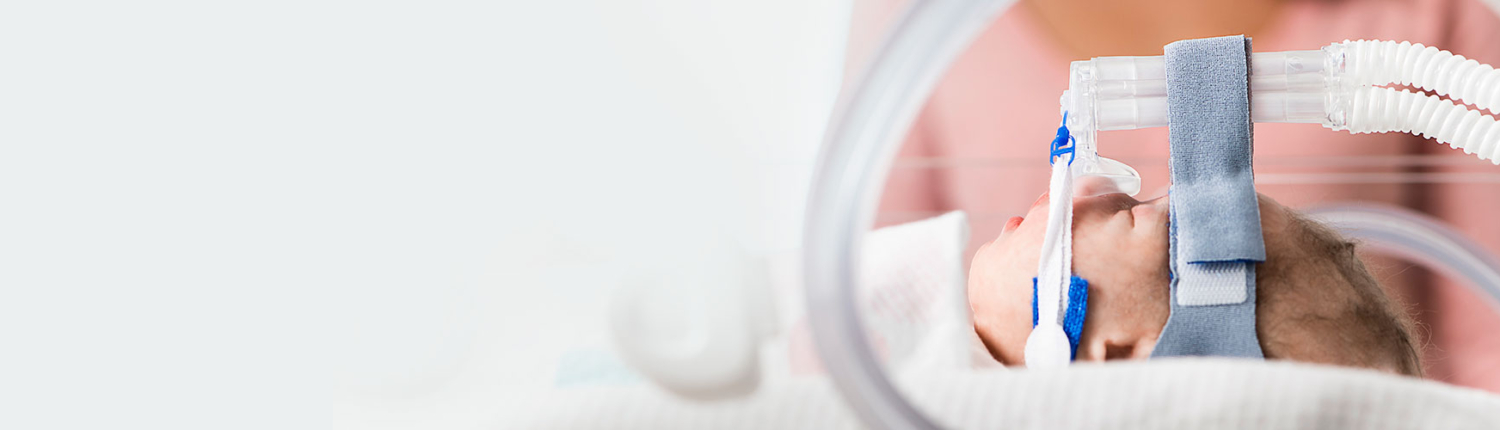
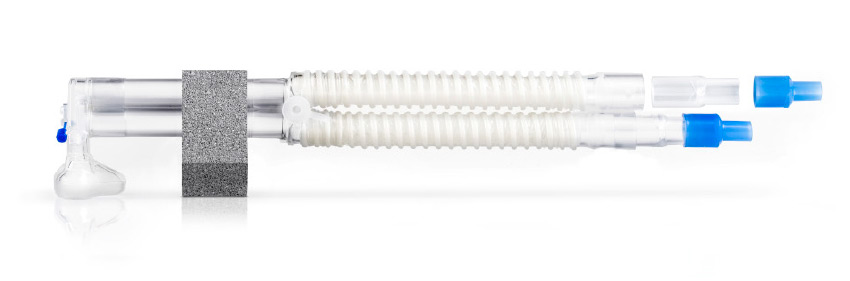
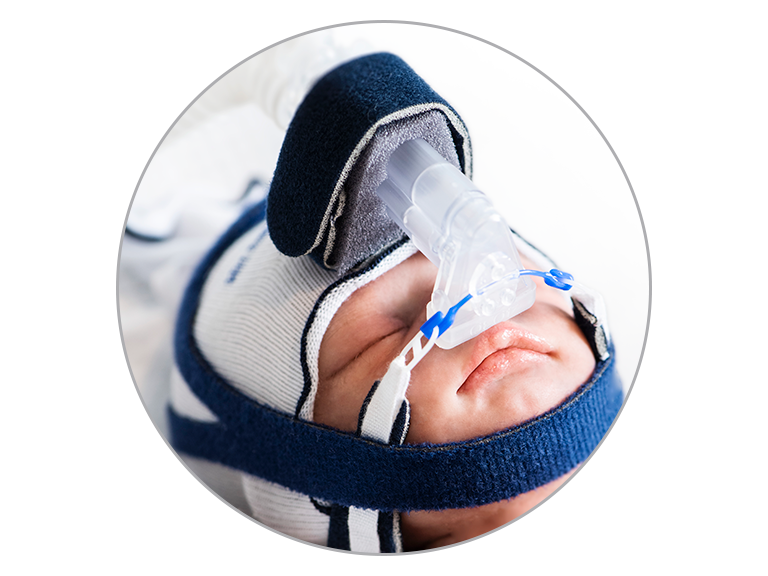
All the components of FlexiTrunk Interface (nasal masks, nasal prongs, bonnet, and headgear) are designed to fit and work together. With 11 nasal prongs, 4 nasal masks, and 3 nasal tubing lengths, FlexiTrunk Interface offers a wide size range to provide the correct fit for a variety of patients.
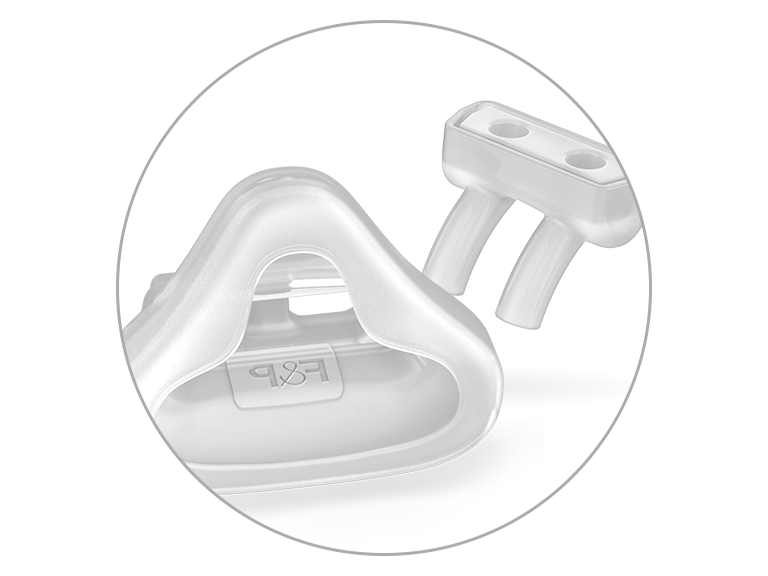
By offering both a nasal mask and nasal prongs interface, FlexiTrunk Interface allows healthcare professionals to cycle between interface types during CPAP therapy.
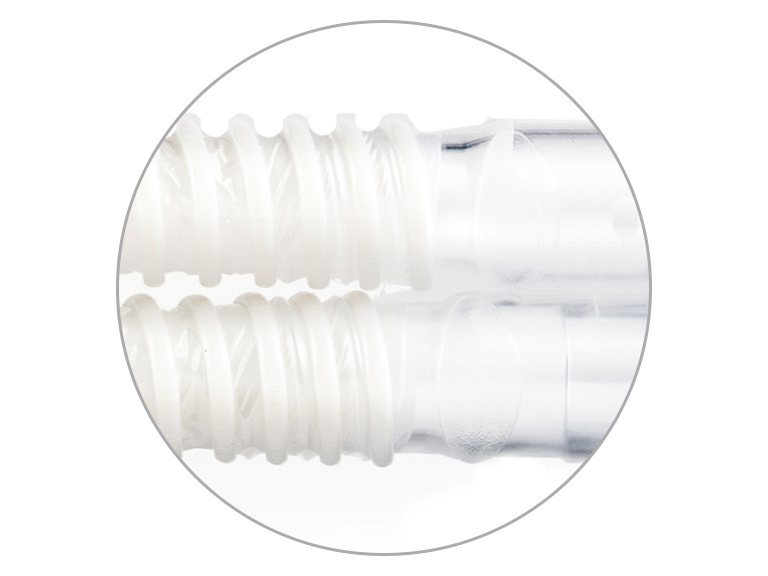
FlexiTrunk Interface’s mid-line design and the flexible tubing help to facilitate multiple caring positions including prone and supine, while the mask range is designed to minimize the force needed to create a seal.
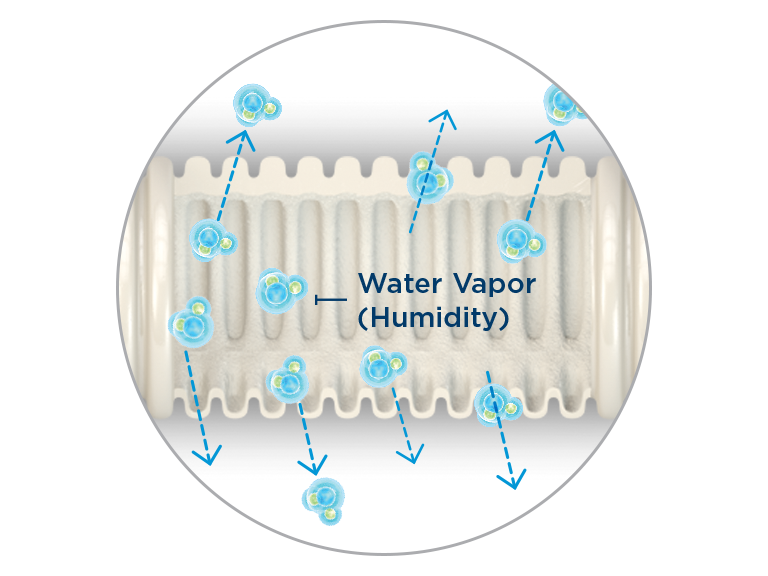
Moisture-wicking technology is built into the interface to help minimize condensate build-up. The large-diameter tubing reduces resistance to flow.

